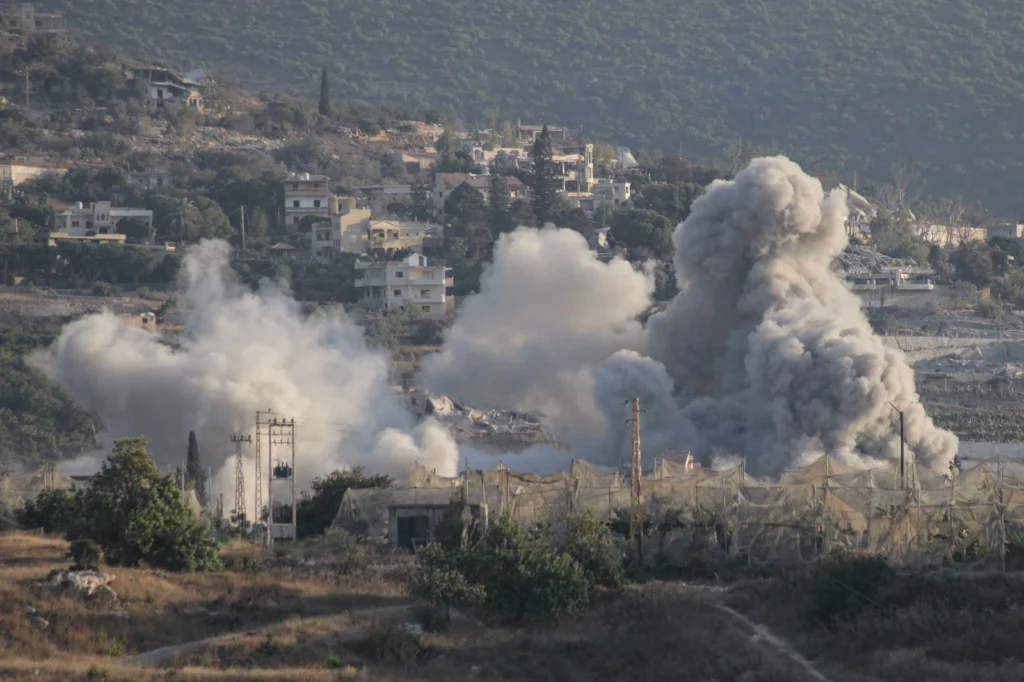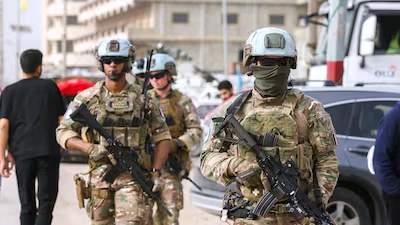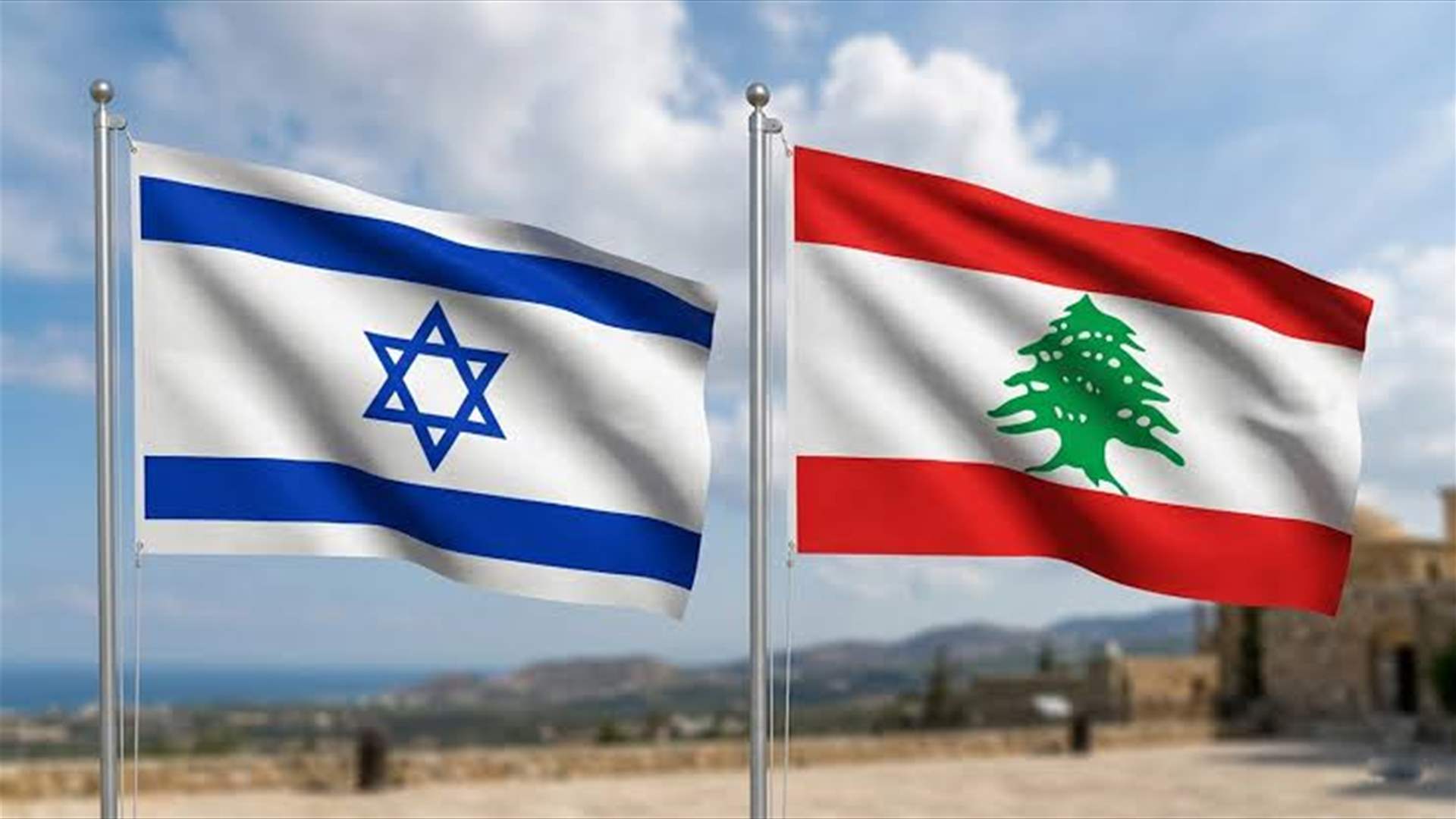
Israel is reportedly set to release five prisoners of war to Lebanon today, according to a report by Israeli Channel 12 on Thursday. The release is expected to occur as part of ongoing negotiations with Beirut, marking a significant development in the complex relationship between the two nations. Israeli Channel 12 stated specifically, "Israel is expected to release five prisoners of war to Lebanon today." This report, which emerged on Thursday, indicates a concrete step in diplomatic efforts. The development was reported on 03-09-2026 at 06:54, providing a precise timestamp for the news. The report from Israeli Channel 12 on Thursday emphasized that this release forms a key part of the ongoing dialogue.
Negotiations Framework Detailed
The prisoner release is expected to be coordinated with the United States, according to reports from Israeli Channel 12. This coordination suggests a broader diplomatic engagement surrounding the exchange between Israel and Lebanon, noting the international dimension of these sensitive discussions. The involvement of the United States shows the global interest and diplomatic efforts invested in facilitating such agreements. This coordination with the United States is a key element of the framework for these negotiations. Further details regarding the specific nature of this coordination or the exact role of the United States in the process have not yet been disclosed, but its participation is confirmed. The anticipated release marks a significant step in the diplomatic efforts between the two countries, conducted within the established framework of negotiations with Beirut.
Background of Prisoner Exchange
The anticipated release of prisoners by Israel to Lebanon today follows a history of complex exchanges between the two nations, often mediated by international actors. Past negotiations have frequently involved third parties, reflecting the absence of direct diplomatic relations between Israel and Lebanon. Such exchanges typically aim to return captured soldiers or the remains of fallen personnel, as well as civilian detainees, in return for individuals held by Israel. The United States has historically played a vital role in facilitating dialogue and brokering agreements in the region, seeking to de-escalate tensions and secure humanitarian outcomes. The current prisoner release is no exception, being coordinated with the United States and taking place within the framework of negotiations with Beirut.
Previous prisoner swaps have been highly sensitive, requiring extensive diplomatic efforts to navigate security concerns and political demands from both sides. The current situation, as reported by Israeli Channel 12, suggests a continuation of this pattern, with the planned release of five prisoners from Israel to Lebanon. These arrangements are often viewed as confidence-building measures, though they do not necessarily signify a broader normalization of relations. Instead, they represent specific, often isolated, agreements aimed at resolving particular outstanding issues. The involvement of international parties, including the United States, remains a consistent feature in facilitating these sensitive transactions between Beirut and Jerusalem, ensuring that the process adheres to agreed-upon terms.
International Coordination Efforts
The anticipated release of prisoners by Israel to Lebanon notes the continued involvement of international actors in facilitating exchanges between the two nations. These coordination efforts are often critical due to the absence of direct diplomatic relations between Israel and Lebanon. Such exchanges typically require intricate negotiations involving third parties to bridge the communication gap and build trust between the opposing sides. International coordination frequently focuses on humanitarian aspects, aiming to ensure the safe return of detainees or other personnel. The United States has historically played a key role in these mediations, often providing a neutral ground for discussions and helping to broker agreements. This ongoing international engagement shows the complex diplomatic landscape surrounding prisoner releases in the region, with the current release being coordinated directly with the United States. The framework of negotiations with Beirut is central to these efforts, ensuring a structured approach to these delicate matters.