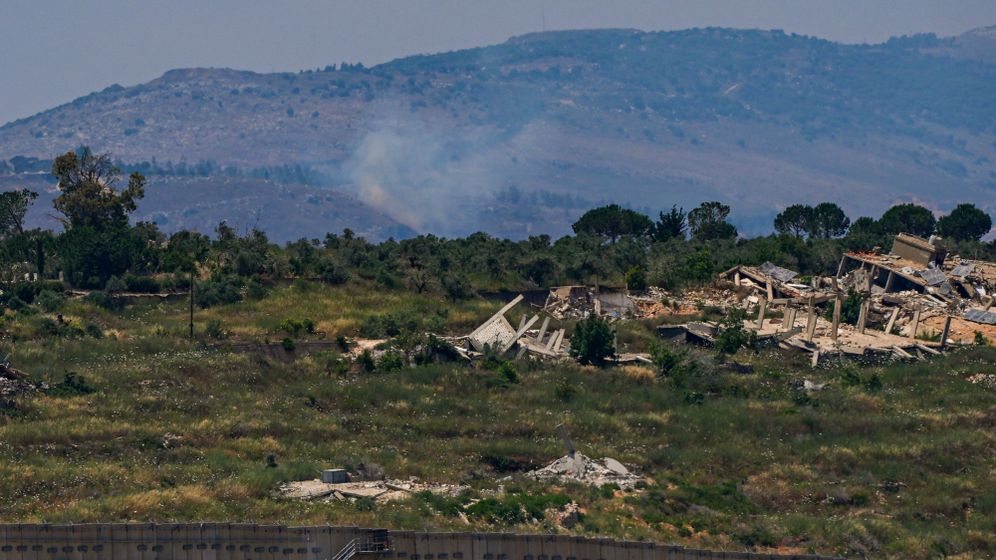
Israel is providing intelligence and technical assistance to the Lebanese army to facilitate the dismantling of Hezbollah infrastructure. Officials from the Israel Defense Forces confirmed that the operation aims to identify and neutralize positions used by the group near the border. This cooperation involves the sharing of surveillance data to support the Lebanese military in securing specific areas. The initiative follows ongoing efforts by the Israel Defense Forces to restrict the movement of Hezbollah fighters within Southern Lebanon. Coordination between the two militaries remains focused on the removal of entrenched assets that Israel identifies as threats to its northern security. Both parties are utilizing these shared resources to clear infrastructure located along the Ali Taher Ridge.
The provision of intelligence and assistance to the Lebanese army represents a strategic shift in how Israel addresses regional security concerns. By supplying technical data and surveillance information, Israel aims to empower the Lebanese military to dismantle Hezbollah infrastructure that has previously been difficult to locate or access. This partnership is designed to ensure that the Lebanese army can effectively manage the territory under its jurisdiction while limiting the operational capacity of Hezbollah. The Israel Defense Forces have indicated that this intelligence-sharing process is essential for maintaining stability along the border region.
Upcoming Military Coordination Talks
Military-level talks between Israel and Lebanon are scheduled for 20 October and 22 October 2026. These meetings will take place at CENTCOM headquarters in Tampa, Florida. The upcoming discussions represent the next round of formal engagement between the two nations regarding the security of their shared border and the management of regional threats. Officials from both sides intend to utilize the venue at CENTCOM headquarters to finalize protocols for the dismantling of Hezbollah infrastructure and to synchronize their efforts in Southern Lebanon.
Israeli officials maintain that current agreements allow the IDF to act independently to eliminate threats and push Hezbollah back. These officials state that existing frameworks provide the necessary authorization for such unilateral operations when security concerns arise. The IDF emphasizes that while cooperation with the Lebanese army is a priority, the ability to conduct independent maneuvers remains a core component of their security doctrine. This dual approach—integrating local military cooperation with the readiness for unilateral action—defines the current Israeli strategy regarding the border.
Approximately 7,000 UNIFIL personnel are expected to depart Lebanon at the end of 2026. This withdrawal will change the composition of international forces present within the country as the year concludes. The departure of these 7,000 UNIFIL personnel necessitates a more strong role for the Lebanese army in maintaining the security of the border zone. As the international presence decreases, the reliance on the intelligence and technical assistance provided by Israel is expected to increase, placing greater responsibility on the Lebanese military to secure the region. The transition period leading up to the end of 2026 remains a critical focus for both Israeli and Lebanese officials as they prepare for the shift in regional security dynamics.