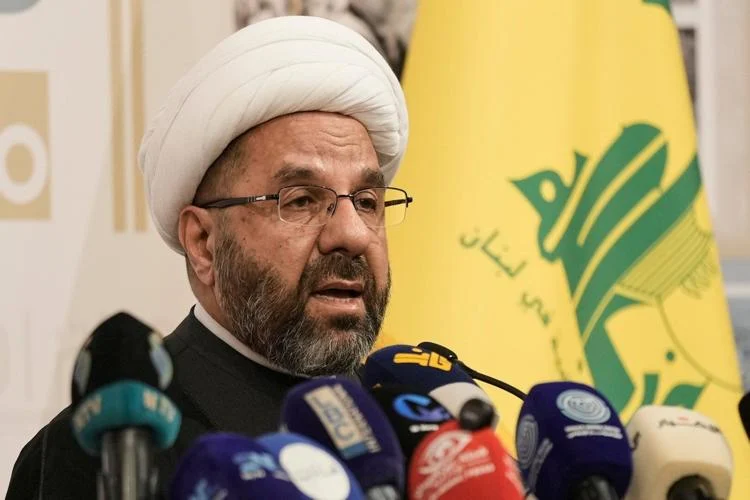
Hezbollah announced on 13 October a compensation plan providing up to $14,000 in aid to families whose homes in Lebanon were destroyed or rendered uninhabitable during the war with Israel. Ali Daamoush, head of Hezbollah’s Executive Council, stated the organization intends to prioritize the restoration of residential stability for displaced residents. Regarding the political response to these measures, Ali Daamoush said, "We are not concerned about what the American administration says." He further emphasized the group's objective for the reconstruction process. "We are working to serve our people and will do all we can to give them shelter so that they go back to their normal life," Ali Daamoush explained. The payments are intended to support families displaced by the ongoing conflict.
Breakdown of Financial Aid
Hezbollah established a tiered payment structure for residents impacted by the conflict. Families residing in Beirut and its southern suburbs are eligible to receive $14,000 in financial assistance to cover home reconstruction and displacement costs. Households located in other areas of Lebanon will receive $12,000 each under the current distribution plan. These payments represent the total allocation designated for eligible families based on their geographic location within the country. The organization intends for these funds to assist residents in securing housing and restoring their living conditions. Hezbollah officials confirmed these specific amounts apply to all displaced families who meet the criteria for aid, regardless of their specific town or village outside of the capital region.
Scope of Displacement Crisis
Conflict-related displacement reached a peak of approximately 1.2 million people across Lebanon during the height of the war. These figures reflect the total population movement observed as hostilities intensified throughout the country.
Current assessments indicate that a significant portion of the population has yet to return to their original residences. According to data from the International Organization for Migration, more than 300,000 people remain displaced in Lebanon as of 14 October 2026. These individuals continue to exist outside of their primary homes, representing the ongoing humanitarian impact of the conflict on the civilian population. The International Organization for Migration monitors these displacement statistics to track the scale of the crisis as recovery efforts proceed across the affected regions.
Political and Legal Challenges
Lebanon, Israel, and the United States signed a framework agreement on 26 June 2026. This document commits the signatory parties to preventing reconstruction funds from reaching entities affiliated with non-state armed groups. The agreement establishes regulatory parameters intended to oversee the distribution of aid within the country.
Hostilities between Hezbollah and Israel resulted in the death of more than 8,000 people. The conflict also caused the destruction of tens of thousands of homes across Lebanon. These figures represent the total human and structural toll recorded during the period of active warfare.
Compensation payments distributed by Hezbollah are categorized by specific household needs. The financial aid includes $8,000 designated for furniture expenses. The remainder of the allocated funds is intended for the payment of rent. These categories define the structure of the assistance provided to displaced families attempting to secure temporary or permanent housing.