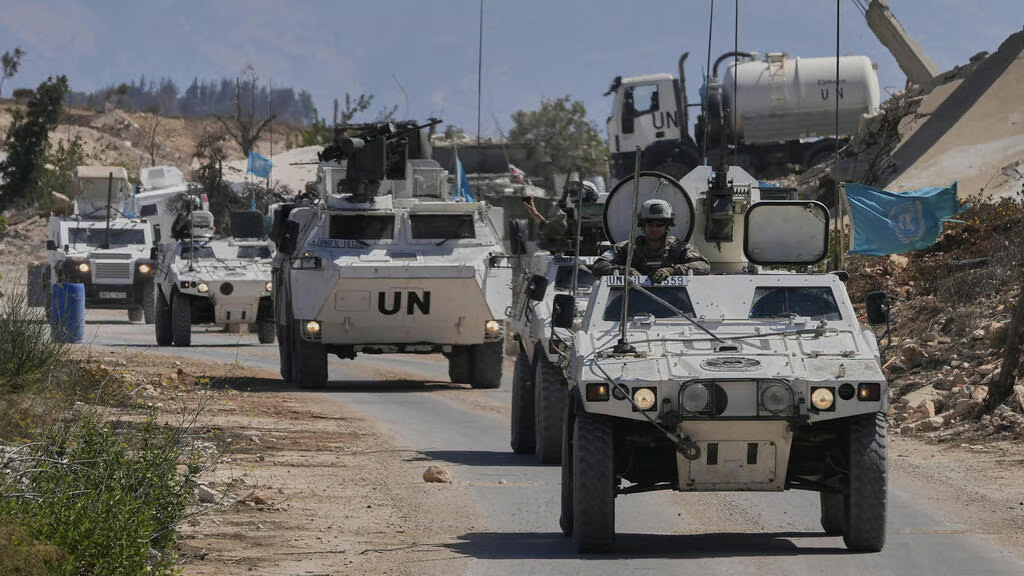
France is advocating for the continued presence of the United Nations peacekeeping force in southern Lebanon, pushing to extend its mandate beyond a planned withdrawal. This stance comes amid firm opposition from the United States to any extension of the UNIFIL mission. Lebanon has formally requested UN Secretary-General António Guterres to reconsider the timetable set for dismantling UNIFIL, which has become a focal point of international debate. France has expressed its support for Beirut's request to revisit the decision regarding the peacekeeping force's future, noting a growing diplomatic divide on the matter.
Under a decision adopted last year by the UN Security Council, the United Nations Interim Force in Lebanon (UNIFIL) is due to begin a phased withdrawal in 2027 and ultimately leave southern Lebanon. This predetermined timeline is now at the center of intense diplomatic efforts, as various nations weigh the implications of UNIFIL's potential departure from the strategically sensitive region. The push by France to maintain the force shows concerns about regional stability and the potential for a security vacuum.
Diplomatic Maneuvers and Stances
In the ongoing discussions at the United Nations, France's ambassador did not present a written proposal or specify the desired length for an extension of the peacekeeping mission. This approach suggests a focus on garnering broad support for the principle of extension before detailing specific terms. Despite the absence of a formal written proposal, several European countries expressed general support for the French position during initial discussions. The backing from these nations indicates a shared apprehension regarding the consequences of a complete UNIFIL withdrawal.
Notably, China and Russia did not articulate a position on the latest proposal regarding UNIFIL's future, maintaining a neutral stance as the debate unfolds. The French ambassador, however, indicated receiving "positive reactions" from Security Council members regarding the potential extension, suggesting that France's efforts are finding some resonance within the international body. These reactions are key for any potential reversal or modification of the previously adopted withdrawal plan.
In stark contrast to France's position, Israeli Ambassador to the UN Danny Danon rejected efforts to maintain UNIFIL's presence. Ambassador Danon stated, "UNIFIL failed for years in the mission assigned to it and did not prevent Hezbollah’s military buildup in southern Lebanon." He further elaborated on Israel's stance, asserting, "The decision to end its mandate has already been made, and there is no reason to go backward. In the months remaining until the end of its activity, the force must focus on enforcing Resolution 1701 and disarming Hezbollah. Responsibility afterward will rest with the Lebanese government and the Lebanese army." His comments show a fundamental disagreement about the effectiveness and necessity of the peacekeeping force.
The United Nations Interim Force in Lebanon (UNIFIL) currently comprises approximately 10,800 troops and personnel from 47 countries, making it a significant international presence. The mission was initially established in 1978, following a period of intense conflict in the region. Its long history and multinational composition highlight the complex and enduring nature of the security challenges it was designed to address.
Arguments for and Against Extension
The UN Security Council made a decision last year to end the UNIFIL mission, a move that set a clear timeline for the peacekeeping force's eventual departure. Under this decision, adopted last year, UNIFIL is due to begin a phased withdrawal in 2027 and ultimately leave southern Lebanon. This resolution reflects a desire by some member states to re-evaluate the mission's long-term viability and impact.
The United States has voiced strong opposition to any extension of the mission, aligning with Israel's perspective on UNIFIL's performance. US Ambassador to the UN Mike Waltz stated that Washington did not want to extend the mandate of a force it believes has failed in its mission. Ambassador Waltz emphasized that "the United States would not repeat 'the mistakes of the past,'" indicating a firm stance against what it perceives as an ineffective deployment. This position notes a critical divergence between the US and France, as well as other European nations, regarding the future of peacekeeping efforts in southern Lebanon. The US argument centers on the belief that the force has not adequately fulfilled its core objectives, particularly concerning the disarmament of non-state actors.
The US position contrasts with concerns raised by UN officials regarding the potential consequences of UNIFIL's withdrawal. Jean-Pierre Lacroix, the UN under-secretary-general for peace operations, warned against creating a security vacuum in southern Lebanon once UNIFIL leaves. This warning shows the potential for increased instability and renewed conflict in a region already prone to geopolitical tensions. Lacroix's assessment suggests that despite any perceived shortcomings, UNIFIL plays a key role in maintaining a fragile peace. The force currently includes approximately 10,800 troops and personnel from 47 countries, having been initially established in 1978, with its mandate expanded after the 2006 conflict.
Regional Security Context
Israeli Ambassador to the UN Danny Danon stated that the United Nations Interim Force in Lebanon (UNIFIL) "failed for years in the mission assigned to it and did not prevent Hezbollah’s military buildup in southern Lebanon." This assessment comes despite the Security Council's Resolution 1701, which expanded UNIFIL's mandate following the 2006 Second Lebanon War. The expanded mandate aimed to monitor the cessation of hostilities and support the Lebanese armed forces, particularly in preventing the rearmament of non-state actors. The effectiveness of this expanded mandate is now a key point of contention in the debate over UNIFIL's future.
Carlos Arnáu, the UN’s acting coordinator in Beirut, offered a different perspective on the challenges of disarmament in the region. Arnáu argued that one reason Hezbollah has not disarmed is the continued Israeli military presence in Lebanese territory. This ongoing presence, according to Arnáu, complicates efforts to achieve full disarmament by non-state actors in southern Lebanon, suggesting a deeper, interconnected web of security issues that extend beyond UNIFIL's direct control. This perspective introduces a nuanced understanding of the obstacles faced by the peacekeeping force and the broader implications for regional stability.
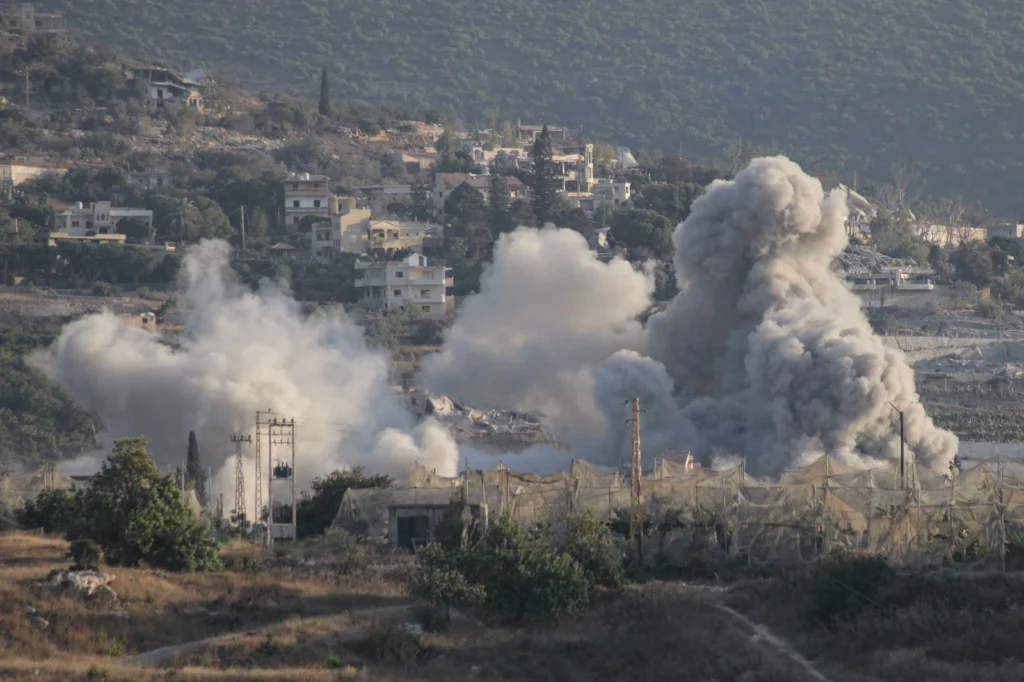
The security environment in Lebanon remains tense, with recent reports indicating heightened concerns for officials. Lebanon’s Foreign Minister Youssef Raggi reportedly stopped appearing at his office after receiving security warnings, showing the volatile context in which discussions about UNIFIL's future are taking place. These warnings highlight the persistent security challenges facing Lebanese officials amidst regional tensions and the debate surrounding the peacekeeping mission. The potential withdrawal of UNIFIL adds another layer of complexity to an already precarious security landscape, making the current diplomatic efforts to either extend or conclude its mission critically important for the future of southern Lebanon.