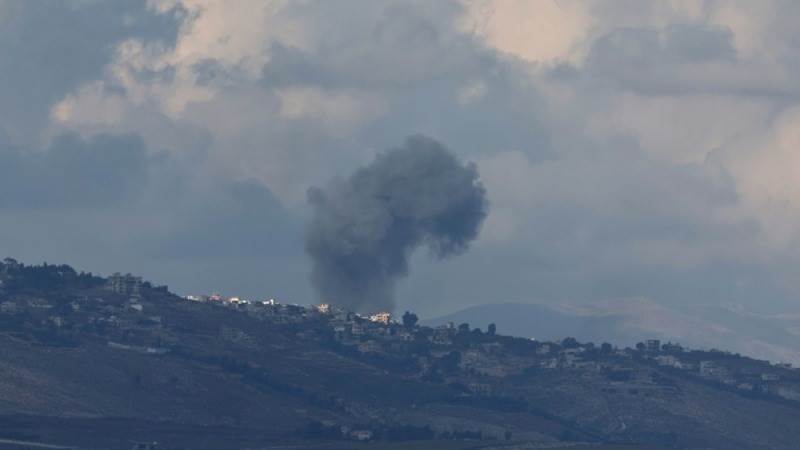
EU foreign policy chief Kaja Kallas announced the bloc is planning a new mission to advise and train Lebanon's armed forces. The EU aims to secure an EU Council decision to launch the mission in October, Kallas stated at a press conference following an informal meeting of EU defense ministers in Wicklow, Ireland. During her remarks, Kallas emphasized that "The EU is not seeking to replace UNIFIL. We are investing in Lebanon's capacity to provide security for itself." She added, "We have not been fast enough to cover the gaps in Europe's conventional power within NATO that we have identified."
Mission Details and Goals
The new EU mission could encompass training and support for Lebanon's armed forces in various areas. These include enhancing border security and maritime security operations, key for controlling ingress and egress points and maintaining national sovereignty. The initiative also aims to strengthen Lebanon's internal security capabilities, ensuring the country can effectively address domestic challenges. Planning for the mission is reportedly progressing well, with the European Union aiming for an EU Council decision to launch the operation in October. The mission seeks to bolster Lebanon's capacity to maintain its own security infrastructure, thereby contributing to regional stability. This full approach is designed to equip Lebanese forces with the necessary skills and resources to independently manage their security landscape.
Broader EU Defense Context
EU defense ministers agreed on the necessity of increasing support for Ukraine while simultaneously investing in Europe's own defense capabilities. Kaja Kallas urged EU member states to review their military stocks and provide Ukraine with urgently needed air defense capabilities. She specifically mentioned Patriot interceptors nearing their expiration dates as a priority for immediate action. Kallas also announced plans to launch a new high-level defense group next week. This group will convene senior political and military leaders from several EU countries, as well as representatives from the UK and Ukraine, to address ongoing defense challenges and cooperation. The group will seek to develop practical and innovative proposals for addressing capability gaps in Europe's conventional power within NATO, aiming to enhance the bloc's collective security posture.
Clarification and Support
The new European Union initiative is explicitly not intended to replace the existing United Nations peacekeeping force in Lebanon. The mission aims to complement rather than supersede the efforts of the UN Interim Force in Lebanon (UNIFIL). EU officials have emphasized that the objective is to build Lebanon's independent capacity to manage its own security, thereby supporting the country's long-term stability. This approach shows a strategy focused on empowering national institutions to provide security internally and along its borders. The EU's involvement is framed as a measure to strengthen Lebanese capabilities without altering the mandate or presence of established international operations. This ensures that the mission works in concert with existing international frameworks rather than creating redundancy or conflict.
Statements from Kaja Kallas
The planned mission would focus on strengthening the capacity of the Lebanese armed forces and state institutions to provide security across the country. More than 10 countries have expressed willingness to contribute resources and personnel to this new mission, noting broad international support for Lebanon's security. The initiative will also seek to develop practical and innovative proposals for addressing capability gaps in Europe's conventional power within NATO, according to EU officials. This effort aims to enhance the overall security architecture by bolstering local capacities while also improving European defense preparedness. The contributions from multiple nations show the broad support for reinforcing Lebanon's security apparatus and addressing strategic defense deficiencies within the wider European security context. These contributions are expected to include a range of expertise and equipment, facilitating a strong and effective training program.