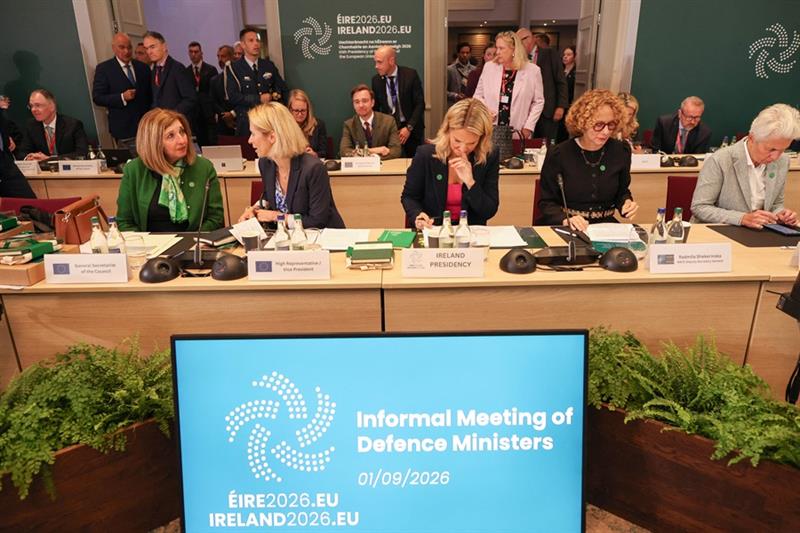
The European Union is preparing to launch a new mission to train the Lebanese army, with plans to deploy the initiative in the coming months. The proposed training mission aims to bolster the capabilities of Lebanon's armed forces. This development comes as the EU seeks to strengthen security cooperation in the region, particularly as a significant United Nations peacekeeping presence prepares for its eventual withdrawal. The EU's proactive stance notes a concerted effort to ensure stability in a volatile part of the Middle East.
EU Mission Details
The European Union's proposed training mission for the Lebanese army is not intended to replace the existing United Nations Interim Force in Lebanon (UNIFIL). UNIFIL has maintained a presence in the region since 1978, operating with a mandate to monitor the cessation of hostilities, accompany and support the Lebanese Armed Forces, and ensure humanitarian access. The EU initiative aims to complement these efforts by enhancing the operational capabilities of Lebanon's national military forces. This development occurs against a backdrop of escalating regional tensions, including reports that Israeli airstrikes have resulted in the deaths of at least 4,300 people in recent months. The EU's focus remains on strengthening the Lebanese army's capacity to maintain stability within its borders, thereby contributing to broader regional security. The mission is expected to involve a range of training activities, potentially including tactical instruction, logistical support, and strategic planning assistance, all designed to prepare the Lebanese army for an increased security role.
Context of UNIFIL
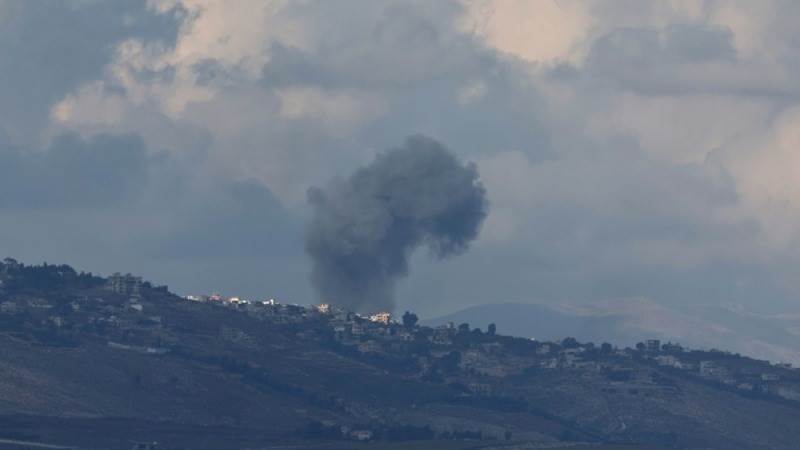
The United Nations Security Council has decided to conclude the mandate of the United Nations Interim Force in Lebanon (UNIFIL) on December 31, 2026. This decision establishes a definitive timeline for the withdrawal of the peacekeeping mission, which has been present in the region since 1978. The impending conclusion of UNIFIL's operations shows the need for enhanced capabilities within Lebanon's national forces to fill the security vacuum. The country was subjected to a widespread Israeli bombing campaign and ground invasion on March 2, noting the persistent security challenges it faces and the critical need for a strong national defense. This context profoundly informs the European Union's efforts to bolster the Lebanese army, aiming to ensure stability as the transition away from UNIFIL's long-standing presence approaches. The EU's commitment reflects an understanding of the complex security landscape Lebanon navigates.
Strategic Rationale
France and Italy have previously expressed interest in establishing a multinational coalition designed to succeed the United Nations peacekeeping force in Lebanon. This initiative aligns with broader efforts to ensure regional stability as the UN Interim Force in Lebanon (UNIFIL) prepares for its mandate conclusion on December 31, 2026. The European Union's proposed training mission for the Lebanese army is seen as a complementary measure, aiming to enhance the capabilities of Lebanon's national forces. Such a coalition, potentially supported by the EU's training efforts, could play a significant role in the security landscape following UNIFIL's withdrawal, according to diplomatic sources. The combined efforts of a multinational coalition and a strengthened Lebanese army are envisioned to provide a full security framework. The EU's involvement is a strategic move to prevent any potential destabilization that might arise from the peacekeeping force's departure.
Official Statements
The United Nations Interim Force in Lebanon (UNIFIL), which operates as a peacekeeping force in southern Lebanon, currently comprises approximately 7,500 personnel. These peacekeepers are drawn from nearly 50 countries, reflecting a broad international contribution to the mission and its historical significance. UNIFIL's presence has been a key component of regional stability since its establishment, monitoring the cessation of hostilities and supporting Lebanese national forces in maintaining order. The forthcoming conclusion of its mandate on December 31, 2026, necessitates a strengthened Lebanese army to assume greater responsibility for security and border control. The European Union's proposed training mission aims to address this need by enhancing the capabilities of Lebanon's national military, preparing them for the challenges of increased autonomy in security operations. This proactive approach shows the international community's commitment to Lebanon's sovereignty and stability.