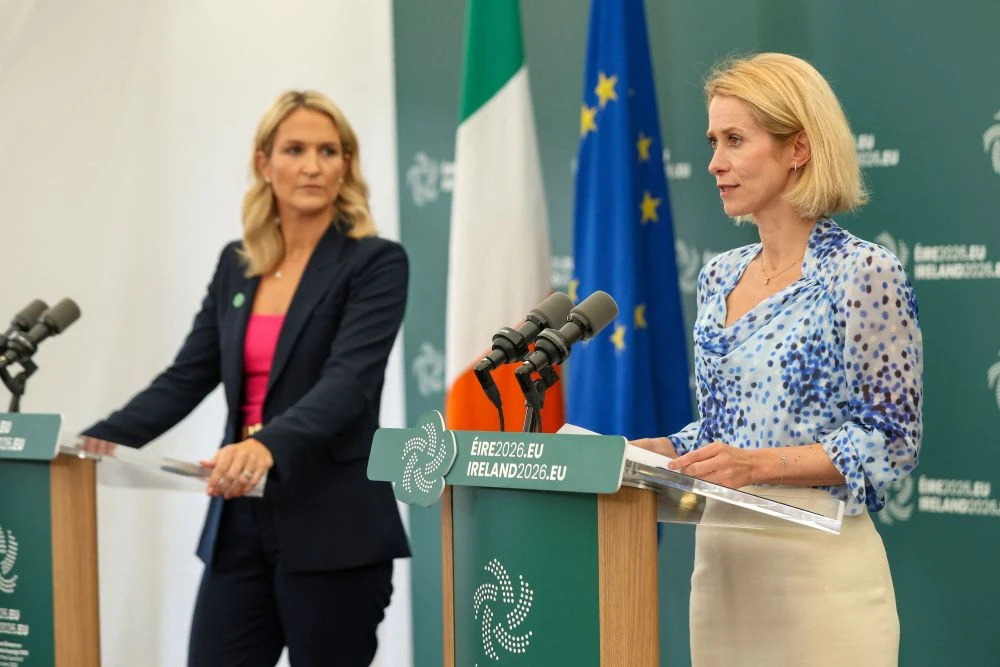
Kaja Kallas, the European Union’s foreign policy chief, announced a new mission aimed at bolstering Lebanon’s Internal Security Forces (ISF). This initiative will involve more than 10 EU member states, which have indicated their willingness to provide resources and personnel. More than 10 European Union (EU) member states have explicitly signaled their commitment to supplying the necessary resources and dedicated personnel for this new mission, which is specifically designed to advise and train Lebanon’s Internal Security Forces (ISF). The mission's primary objective is to advise and train Lebanon’s ISF, a critical step toward enhancing the country's domestic security capabilities.
Mission Goals and Scope
The mission aims to strengthen the Internal Security Forces, thereby enabling Lebanese authorities to address security challenges more effectively, according to Kaja Kallas, the EU’s foreign policy chief. Kallas stated, "The mission is intended to strengthen the Internal Security Forces, thereby enabling Lebanese authorities to address security challenges more effectively." The initiative will specifically focus on providing advisory and training support, a core component of its strategy. This support is designed to reinforce Lebanon’s security sector comprehensively, ensuring the ISF is better equipped to handle the complex security landscape. The plan announced by Kaja Kallas shows the EU's commitment to assisting Lebanon in building a more strong and self-reliant security apparatus. The focus on advisory and training support is intended to create sustainable improvements within the ISF, fostering long-term stability and effectiveness.
Regional Security Context
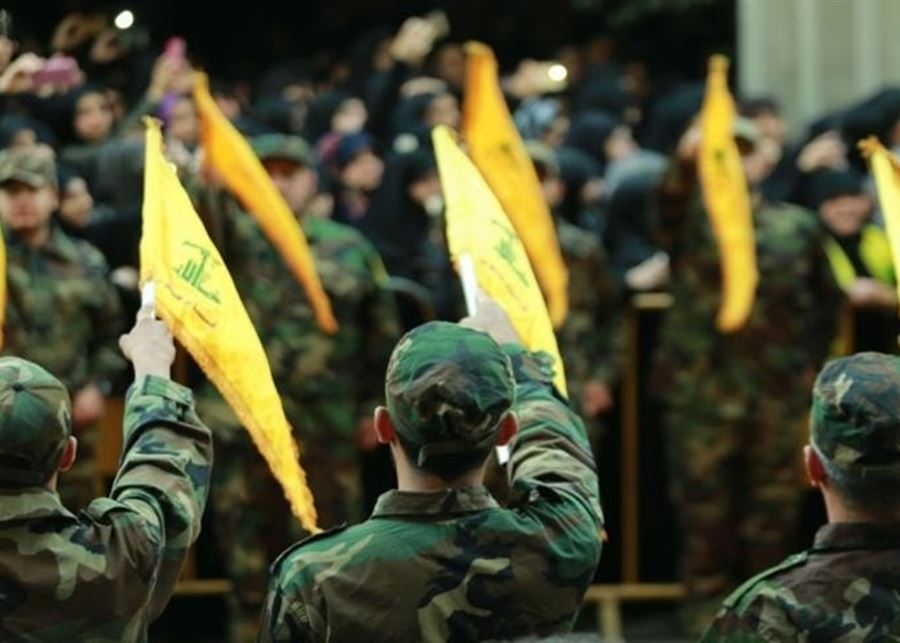
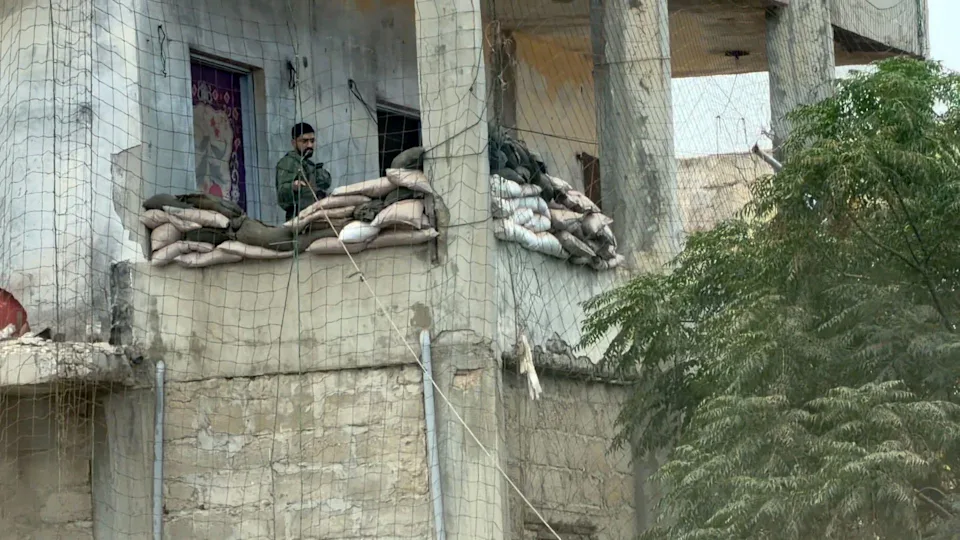
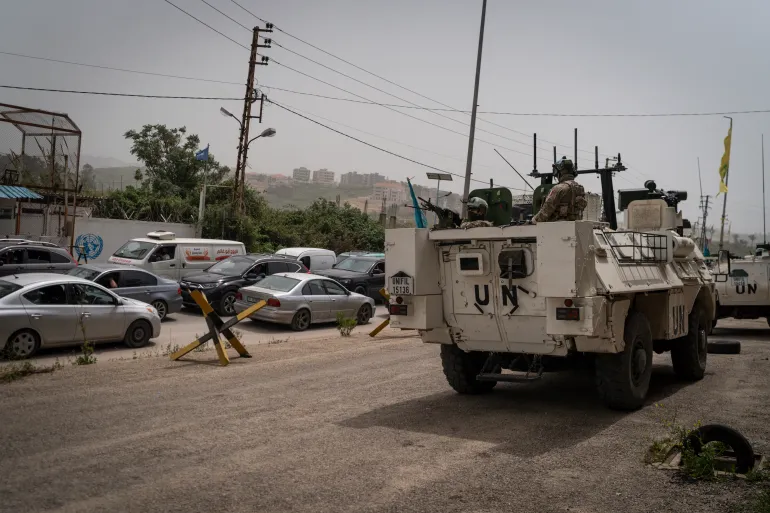
Lebanon’s Internal Security Forces (ISF) and the Lebanese army have encountered growing pressure amid ongoing political instability and the presence of armed groups like Hezbollah. Both the ISF and the Lebanese army have faced increasing pressure in recent times, a direct consequence of the persistent political instability gripping the nation and the significant presence of armed groups such as Hezbollah. The European Union's initiative is being launched as the mandate for the United Nations Interim Force in Lebanon (UNIFIL) is set to expire at the end of 2026. This impending expiration adds a layer of urgency to the EU's efforts, noting the need for strengthened internal security mechanisms. UNIFIL has maintained a significant role in preserving stability along the Lebanon-Israel border since its establishment, playing a key part in regional security dynamics. This context shows the challenges facing Lebanese authorities as they work to manage internal security and border stability, particularly with the future of UNIFIL's mandate in question. The mission aims to support the ISF in navigating these complex regional dynamics, providing them with the tools and expertise to address both internal threats and broader security concerns effectively. The EU's involvement is seen as a proactive measure to help Lebanon bolster its own capacity for maintaining peace and order in a volatile region.
Potential Strategic Impact
The initiative was designed to enhance the operational capacity of Lebanon’s Internal Security Forces (ISF). This enhancement is seen as a key aspect of the mission's broader strategic goals in the country, aiming to create a more resilient and capable security force. Fadi Assaf, from the Carnegie Middle East Center, suggested that strengthening the ISF could enable the Lebanese army to concentrate on efforts to disarm Hezbollah. This strategic division of labor would allow the ISF to manage internal security challenges more effectively, potentially freeing up the army to address other significant security concerns, such as border defense or the challenge posed by armed groups like Hezbollah. The focus on operational capacity aims to provide the ISF with the necessary resources and training to fulfill its mandate in a complex security environment, ultimately contributing to a more stable and secure Lebanon. By reinforcing the ISF, the EU mission seeks to empower Lebanese institutions to take greater ownership of their national security, fostering an environment where the state's authority is critical.