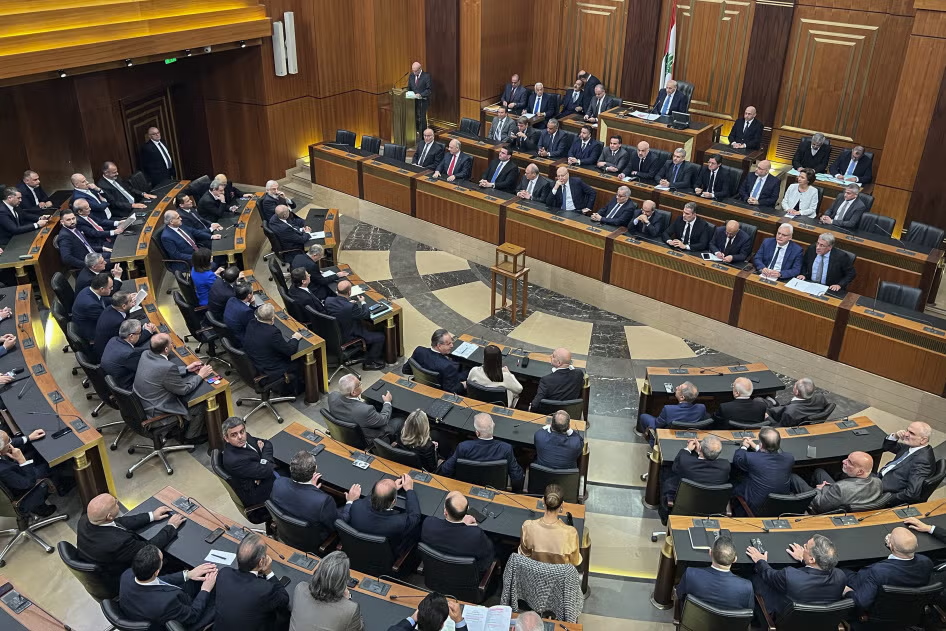
Lebanon’s parliament passed a new media law on 11 August 2026, amid ongoing scrutiny regarding the protection of freedom of expression. Ramzi Kaiss, Lebanon researcher at Human Rights Watch, stated, "Given the history of public officials and powerful individuals abusing Lebanon’s laws to clamp down on journalists, activists, and artists, parliament should act to prevent further abuse."
Addressing the legislative body, Kaiss added, "No one should face abusive retaliation for peacefully expressing their views, and parliament has a chance to end these abuses right here and now." The enactment of this law follows long-standing concerns from civil society groups regarding the legal treatment of media professionals and artists within the country. Legislators now face pressure to ensure the new framework does not facilitate further restrictions. The passage of the legislation on 11 August 2026 marks a significant development in the country's regulatory landscape for media professionals.
Controversial Provisions in New Law
Article 104(b) of the adopted media law establishes criminal penalties for the intentional fabrication of falsehoods and the dissemination of false and harmful news. Individuals convicted under this provision face up to three years in prison. Article 104(b) specifically targets the intentional fabrication of falsehoods and the dissemination of false and harmful news, setting a maximum penalty of three years in prison for those found guilty. These measures exist alongside broader legal frameworks, as Lebanon’s Penal Code and Military Justice Code already contain provisions that criminalize defamation, libel, slander, and insult against state institutions, the army, and foreign representatives. These existing codes also mandate prison sentences of up to three years for such offenses. The overlap between the new media law and the existing Penal Code and Military Justice Code has drawn focus from those monitoring the application of these statutes.
Legislators included specific protections within the new media law to address concerns regarding the detention of journalists and media workers. These provisions end pretrial detention for free expression-related crimes committed online or through media-related means. By including these protections, the media law seeks to limit the use of detention for journalists and media workers accused of free expression-related crimes.
A group of 10 members of parliament introduced a draft law on 5 October 2026, proposing amendments to the media law to address remaining concerns regarding its impact on civil liberties. Ramzi Kaiss, Lebanon researcher at Human Rights Watch, stated, "For years Lebanese civil society has fought for increased protections to the right to freedom of expression and the press. Passing the proposed amendments to the media law would be a breakthrough." The proposal submitted by the 10 members of parliament on 5 October 2026 reflects the ongoing debate regarding the scope of the media law and its potential impact on the broader civil liberties of those working within the media sector. The legislative process continues as stakeholders weigh the implications of the current text against the proposed changes.