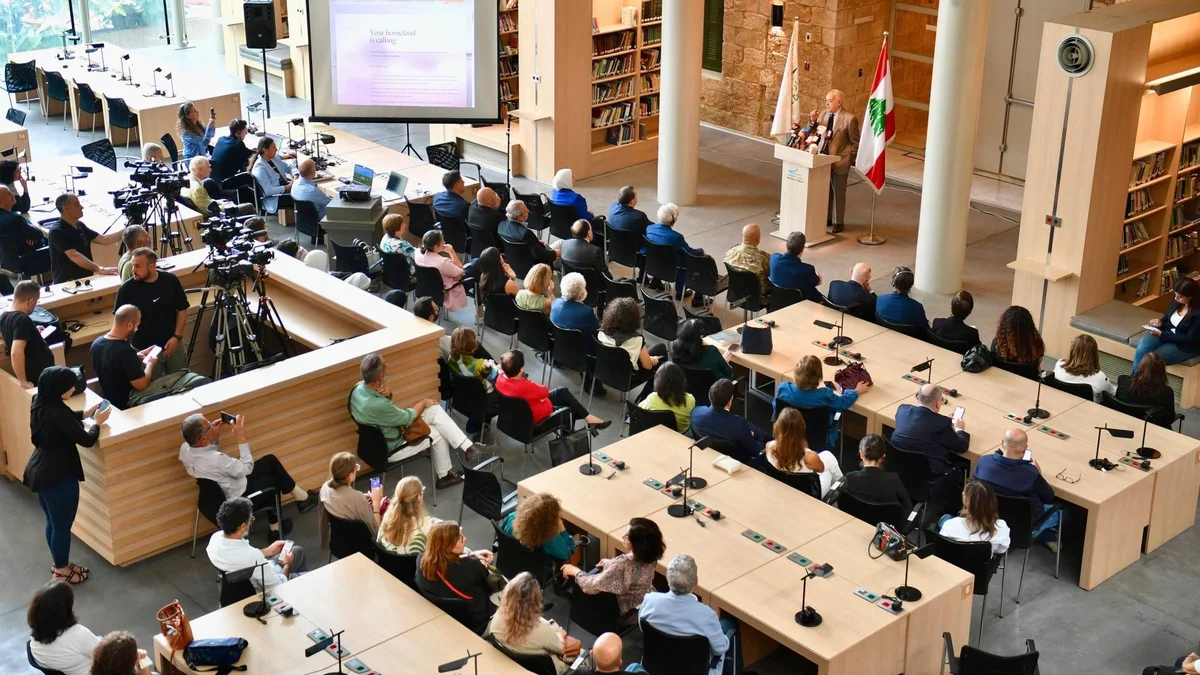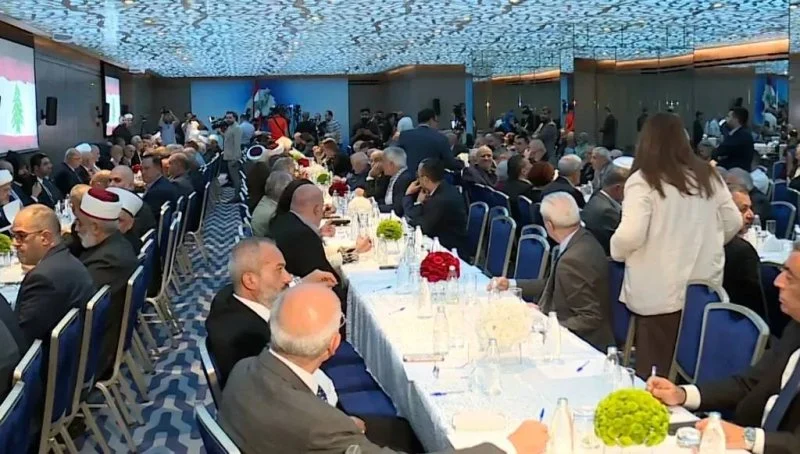
Participants gathered in Beirut on Monday, 19 October 2026, for the second National Meeting. This assembly convened to establish a new framework for dialogue within Lebanon. Delegates focused on addressing internal divisions during the day-long session. Representatives from various sectors attended the proceedings to discuss potential paths forward for the country. Organizers structured the meeting to prioritize direct communication between the stakeholders present. No formal agreements were announced at the conclusion of the event. Officials indicated that additional discussions may follow to assess the proposals presented during the session. The proceedings ended in the evening.
The second National Meeting was held in Beirut on Monday, October 19, 2026, serving as a central forum for the diverse groups in attendance. The event was organized to facilitate a structured exchange of perspectives regarding the current state of the nation. By bringing together a wide array of stakeholders, the assembly sought to create a space where internal challenges could be examined in detail. The atmosphere during the sessions was characterized by an emphasis on collective deliberation, as attendees worked to navigate the complex issues facing the country.
Broad Participation in Beirut
Dozens of political parties, current and former ministers and deputies, religious figures, and social and municipal representatives took part in the proceedings in Beirut. These participants convened to engage in discussions regarding the internal state of Lebanon. The inclusion of such a broad spectrum of figures was intended to provide a full view of the national landscape. Each group brought unique concerns to the table, reflecting the diverse interests and priorities inherent in the Lebanese political and social fabric. The dialogue remained focused on the specific internal dynamics that have shaped the current environment.
The secretariat of the National Meeting described the event as a foundational step for a continuous path of national consultation. Organizers intended for this session to serve as a starting point for ongoing dialogue among the various sectors represented at the meeting. According to the secretariat, the objective was to move beyond temporary measures and instead cultivate a sustained mechanism for communication. By establishing this precedent, the organizers hope to ensure that the discussions initiated in Beirut remain a permanent feature of the national agenda.
A final statement issued at the conclusion of the event emphasized the importance of Lebanese sovereignty and independence. The document also cited land liberation and the full implementation of the Taif Agreement as primary objectives for the participants. These principles served as the core of the consensus reached during the assembly. By noting these specific goals, the participants signaled a shared commitment to a unified national vision. The final statement reflected the priorities discussed throughout the day, reinforcing the participants' dedication to the established objectives. The meeting concluded with the understanding that these foundational principles would guide future efforts toward national reconciliation and stability.