UN peacekeepers have been unable to conduct media visits south of the yellow line in southern Lebanon for several weeks as of 15 October 2026. Restrictions on movement prevent journalists from accessing locations near the border during this period. Unifil spokesman said, "At the moment, we cannot conduct media visits south of the so-called yellow line. This has been the case for the past few weeks." The current operational limitations remain in effect, blocking news organizations from reporting directly from those areas.
Journalists Blocked From Reporting
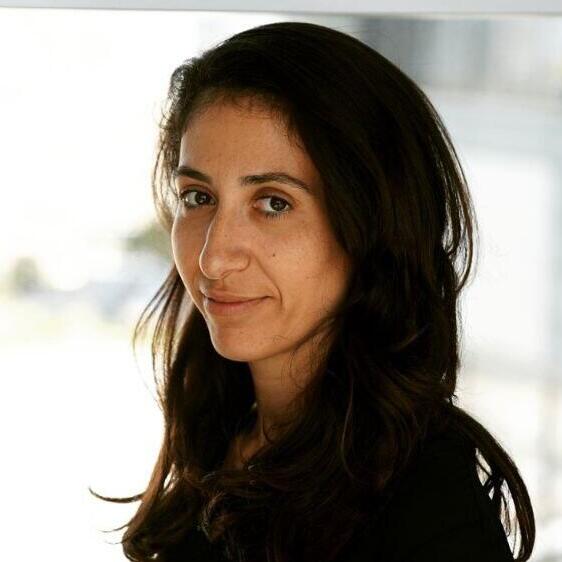
French-Lebanese freelance journalist Téa Ziade experienced a cancellation of her scheduled UNIFIL-escorted trip to the occupied zone on 25 September 2026. Regarding the rejection, Téa Ziade stated, "We had submitted all our papers to Unifil. Everything was in order. A Unifil lieutenant told us: ‘It’s the journalists. No journalists are allowed in the convoy.’"
Téa Ziade further commented on the impact of these movement restrictions, noting, "If we cannot go to the south, how are we supposed to tell the story of the occupation? We lose part of the meaning of this profession, the ability to build trust and intimacy with people. Without journalists on the ground, there is also a question of accountability and impunity."
Separately, the Committee to Protect Journalists reports that Israeli forces have killed at least 16 journalists and media workers in Lebanon since October 2023.
Military Restrictions and Accusations
Israeli military officials have accused journalists of entering the security zone without prior coordination and revealing troop locations. These officials maintain that such unauthorized movements compromise operational security within the area.
Humanitarian convoys to the villages of Debel and Rmeish were suspended for three days following the entry of journalists into the occupied zone. Aid organizations reported that the temporary halt disrupted the delivery of essential supplies to local residents in these communities.
Israel occupied an area extending 10km to 12km into Lebanon during the war with Hezbollah that reignited in March 2026. This territorial control remains a central point of contention regarding the presence of media personnel in the region.
Jonathan Dagher, head of RSF’s Middle East office, criticized the current limitations on press movement. "It is unacceptable that Lebanese journalists are denied access or prevented from entering Lebanese territory," Dagher said. "Ceasefire agreements and military considerations must no longer serve as a pretext to obstruct the right to information and threaten the safety of journalists."