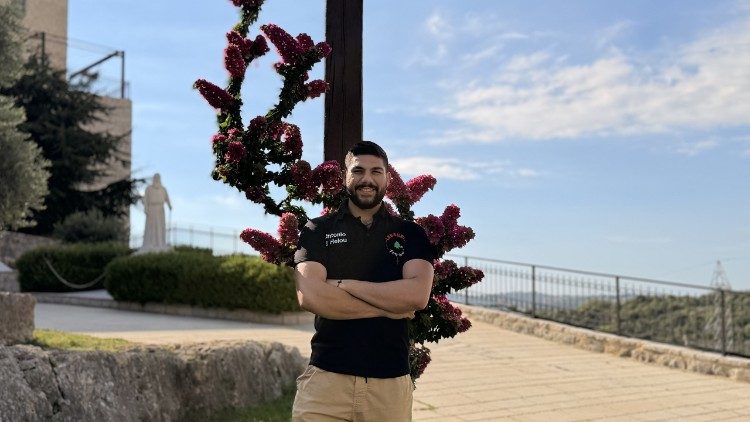
Antonio El Helou founded Lebanon Faith Tours in 2023 at the age of 19 to promote regional tourism. The company restricts its visits to areas north of Beirut, which are considered safer than the conflict-affected south. Antonio El Helou stated, "When the media talk about Lebanon, they normally just show the war. They forget about the beauty." He added, "I always tell people to come, to not be afraid. Our tours only go to very safe places. And there is beauty here, history, culture, which you can’t find anywhere else in the world." Regarding the spiritual focus of the business, Antonio El Helou noted, "Lebanon is an experience. Everyone who comes to Lebanon tells me that it has changed their life in some way."
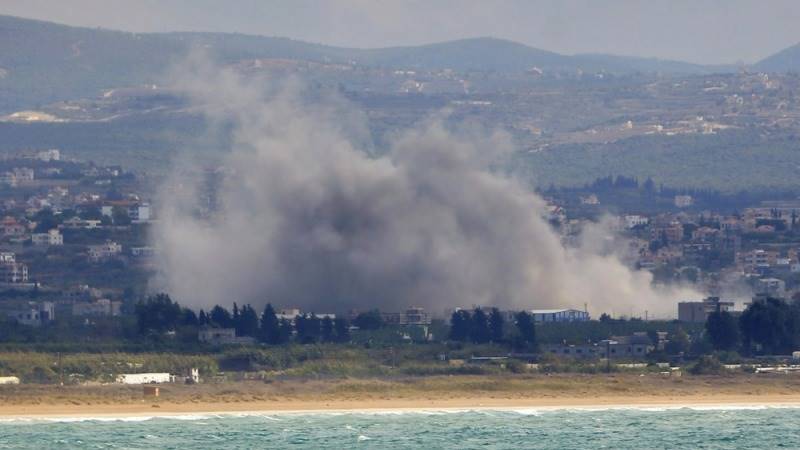
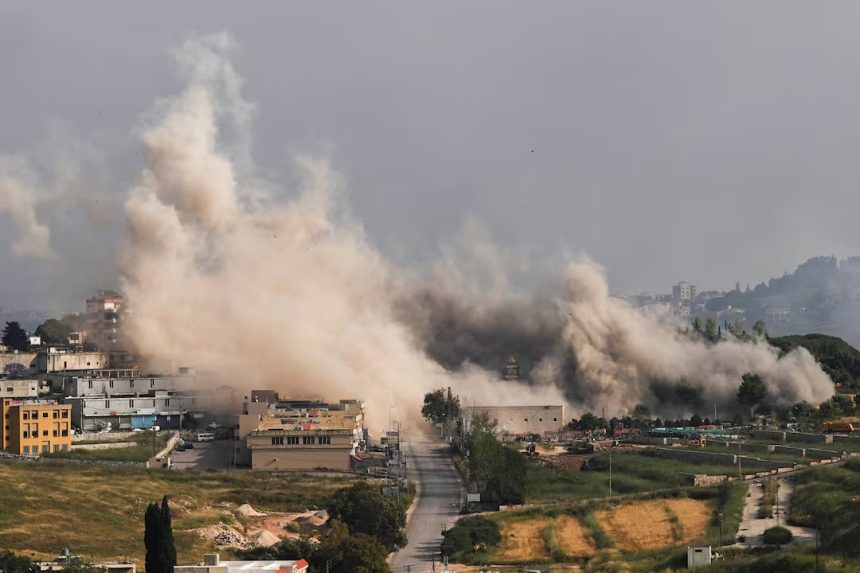
The operational strategy of Lebanon Faith Tours is built upon a conscious decision to navigate around the regions currently impacted by instability. By keeping all itineraries strictly to the north of Beirut, the organization aims to provide a secure environment for international travelers. This logistical choice allows Antonio El Helou to showcase the northern landscape while bypassing the conflict-affected south, where the security situation remains volatile. This focus on northern destinations is a core component of the company’s mission to provide a consistent and reliable experience for those interested in the country's religious and cultural landmarks.
Preserving Lebanon's Religious Heritage
Lebanon maintains the highest percentage of Christian population in the Middle East. This demographic reality is deeply woven into the fabric of the nation, shaping its social identity and its long-standing traditions. Religious demographics play a central role in the governance of the country, influencing the distribution of power among various communities. The presence of diverse faith groups is not merely a cultural feature; it is a foundational element of the state's administrative and political framework.
Constitutional mandates require the President of Lebanon to be a Maronite Catholic. This legal provision functions as a pillar of the national political structure, ensuring that the head of state represents this specific tradition. The requirement shows the unique intersection of faith and statecraft within the country, where specific religious affiliations are formally integrated into the highest levels of government to maintain balance and representation across the population.
Geographically, Lebanon covers a total land area of approximately 4,000 square miles, or 10,000 square kilometres. This territory sits along the eastern shore of the Mediterranean. Despite the size of the land, the country contains a high density of religious sites and historical landmarks that attract visitors interested in the heritage of the region. The proximity of these various sites allows for a concentrated exploration of the country’s deep historical and spiritual roots. As visitors traverse the landscape, they encounter a terrain marked by its significant religious heritage, which remains a primary draw for those seeking to understand the enduring cultural legacy of the area. Through the efforts of individuals like Antonio El Helou, these sites continue to be shared with those who travel to experience the history and culture preserved within the borders of the nation.